
Why this work needs more than a quick wash
Inspection before pressure cleaning
We check for loose joints, damage and heavy staining so the method suits the driveway.
Sealing done at the right stage
The surface must be clean and dry first, with block joints restored where needed.
Clear expectations on finish
We explain likely colour change, stain limits and future care before sealing goes ahead.
Cleaning works best when the surface is read properly
A dirty driveway does not always just need a blast and hope for the best. Stains, moss, algae, loose jointing material and small areas of damage all need spotting before the cleaning starts, because they affect both the result and the method. With J Lowther & Sons Driveways & Building Services, we inspect the surface first and work with the material rather than against it. That matters most on block paving and older drives, where overdoing the pressure or ignoring worn joints can leave you with a cleaner drive but a looser one too.
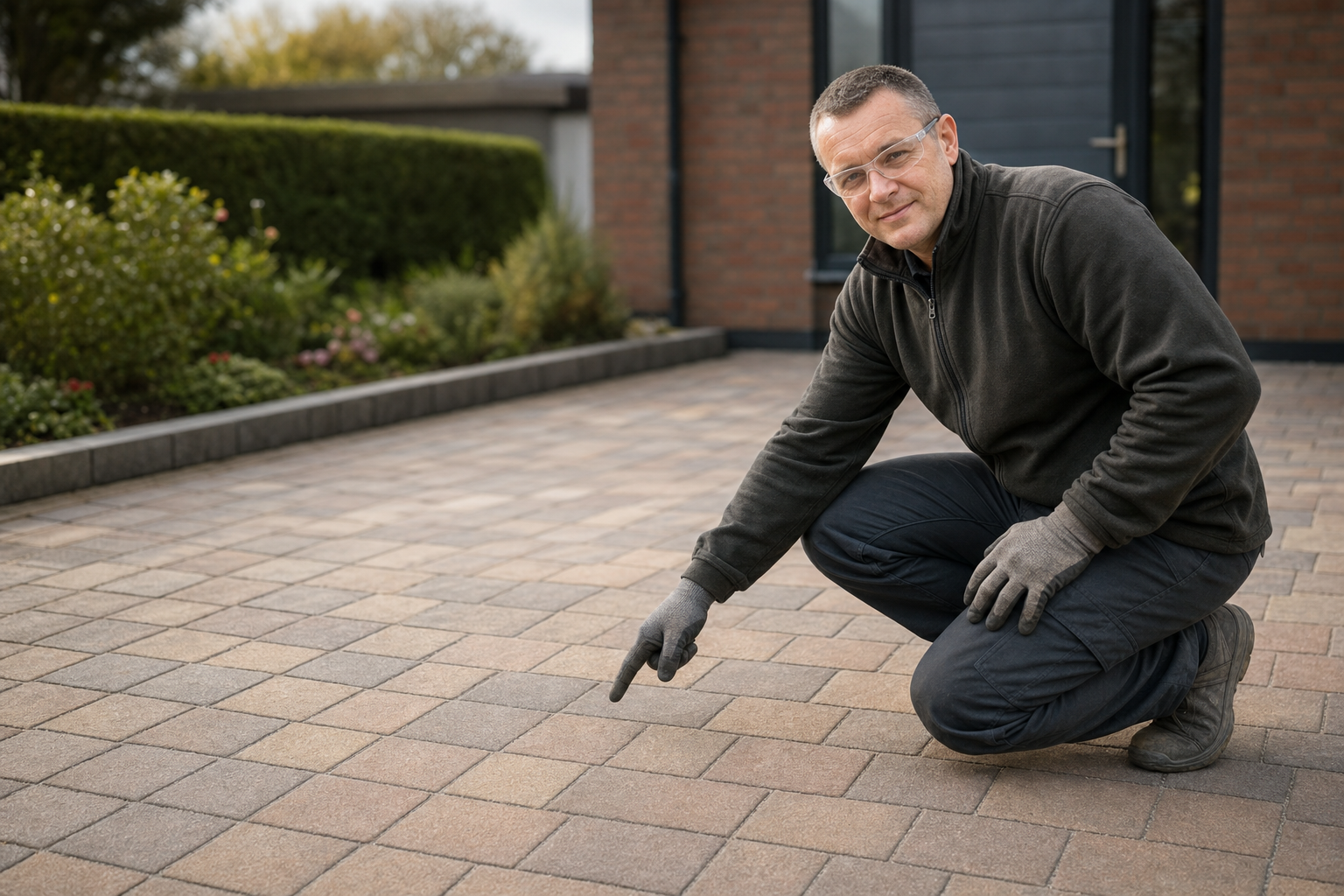

Professional sealing and aftercare for lasting protection
Once the driveway has been thoroughly cleaned, it needs proper time to dry before any suitable sealer is applied. On block paving, jointing sand may also need to be replenished where washing has disturbed it. Sealing can enhance the appearance, reduce surface absorption and make routine maintenance easier, but it will not erase permanent old marks or turn a worn surface into a new one. We set out those expectations clearly, along with the likely colour change and sensible aftercare once the seal is down.
Frequently asked questions
Can every stain be removed from a driveway?
Not always. Many marks improve greatly with proper cleaning, but some older or deeper stains can remain to a degree depending on the material and how long they have been there. We would rather set fair expectations from the start than pretend every driveway will come up looking brand new after one clean.
Why does block paving need re-sanding after cleaning?
Pressure cleaning can disturb or remove some of the jointing sand between the blocks, especially if the surface was already a bit tired. Replenishing that sand helps the paving lock together as it should. Skipping that step can leave the driveway cleaner but more vulnerable to movement and weed growth afterwards.
What does sealing actually change on the surface?
A suitable sealer can help enhance appearance, reduce how much the surface absorbs and make routine maintenance easier. It can also change the depth of colour to some extent, depending on the product used. What it does not do is hide structural failure, fix poor levels or guarantee every old mark disappears.