
What makes gravel work well
A softer visual finish
Gravel can suit traditional homes and front gardens that need a more natural-looking surface.
Controlled with proper edging
Strong boundaries help keep loose stone in place instead of wandering into every nearby path.
Honest upkeep expectations
We explain raking, top-ups and weed control before you decide if gravel suits your routine.
A more natural look that still needs proper control
Gravel can suit a property beautifully, but it works best when the loose-stone look is backed by sensible planning. The size, colour and shape of the aggregate affect how the surface looks, how it feels underfoot and how much it moves about once cars start using it. With J Lowther & Sons Driveways & Building Services, we look at gradients, thresholds, drainage and everyday vehicle use before settling on the build. That way, the driveway is not just attractive on day one but easier to live with after the first few weeks of use.
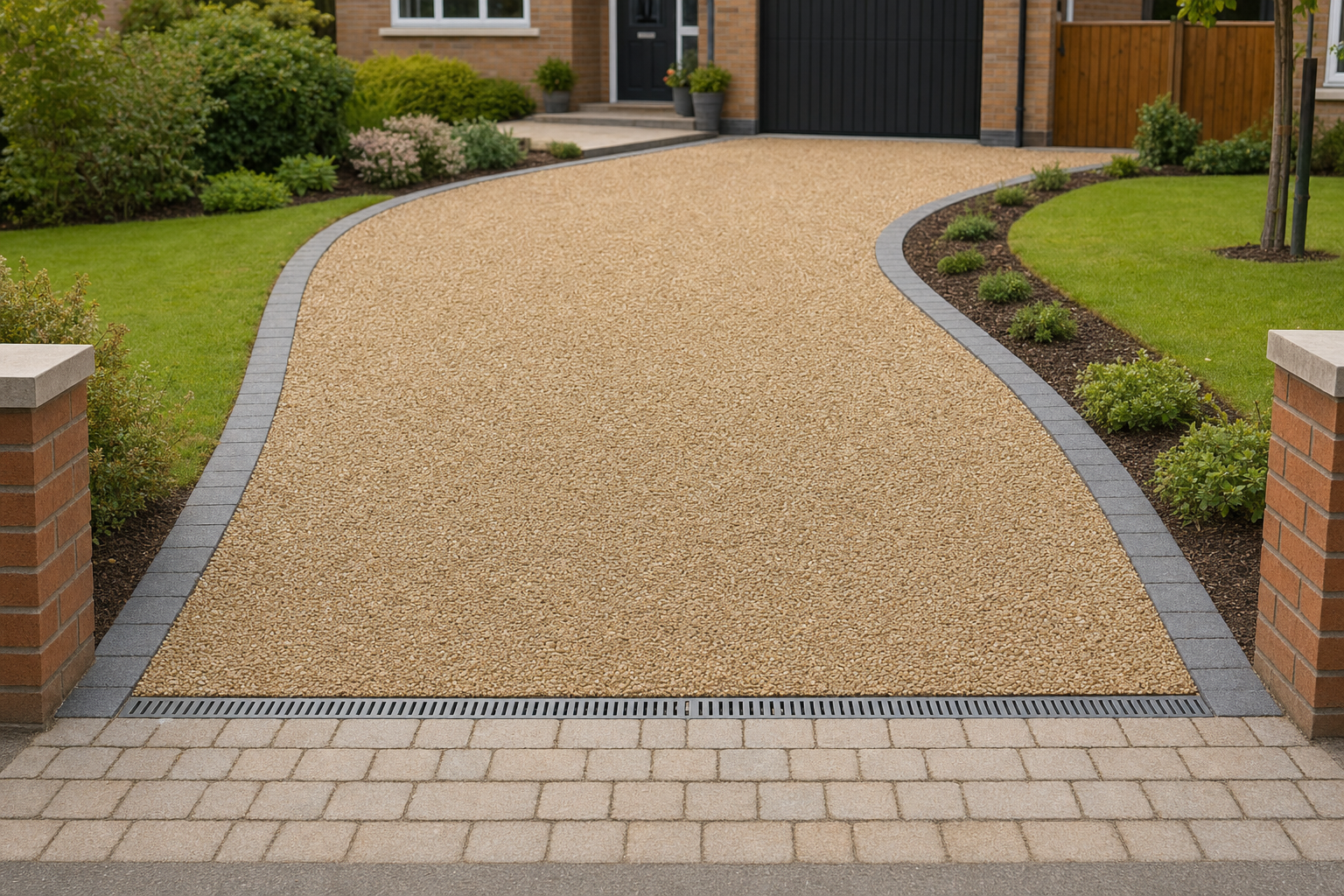
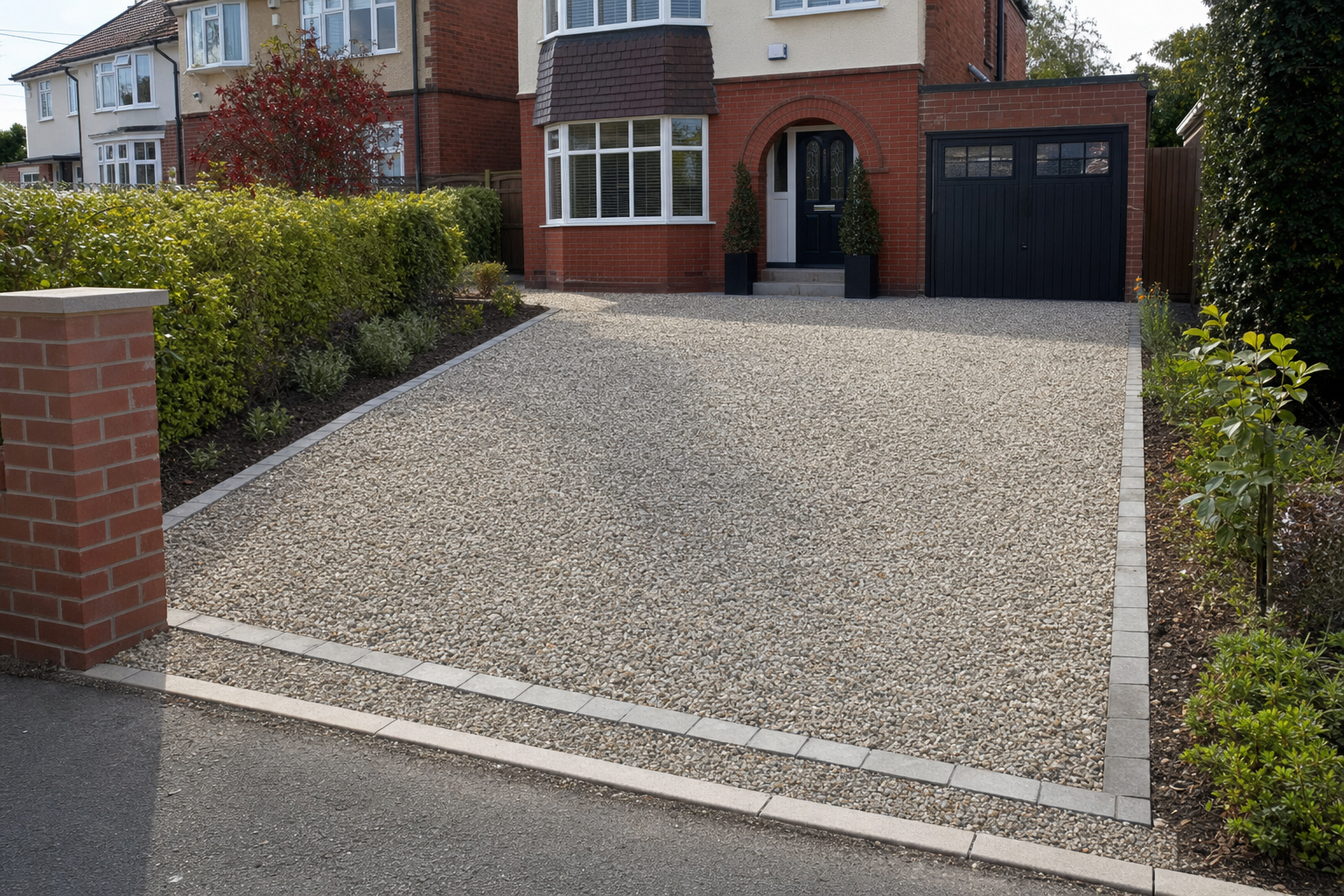
Retention, depth and base all matter here
A gravel drive needs more than tipping stone onto soil and hoping for the best. We consider excavation, sub-base preparation, separation membranes, gravel depth and robust edging to help keep the surface where it belongs. On some sites, stabilisation systems can also help reduce migration and create a firmer feel. Even with good construction, gravel will always need some raking, topping up and weed control, so we set that out plainly from the start rather than pretending it looks after itself.
Frequently asked questions
Will gravel spread outside the driveway over time?
Some movement is normal with a loose surface, but the build can make a big difference. Good edging, suitable depth and, where needed, stabilisation all help control migration. We assess how the drive is entered, whether it slopes and how it meets paths or the pavement, because those details affect day-to-day behaviour.
Is gravel suitable for a driveway with a gradient?
It can be, but gradients need careful thought. The steeper the area, the more important it becomes to control movement and think about retention, thresholds and drainage. We would rather explain honestly when gravel suits the site well and when another surface is likely to give you fewer headaches later.
How much maintenance does a gravel driveway need?
Gravel is fairly straightforward, but it is not maintenance-free. Expect occasional raking, some topping up over time and sensible weed control to keep the surface tidy. The amount of upkeep depends on use, edge detail and exposure, which is why we talk about the everyday reality before the work starts.