
Why careful paving pays off
Built for the job it does
We match the build-up to how the area will be used, not just how it should look finished.
Neat transitions and cuts
Boundaries, corners and service covers are worked around with care for a cleaner result.
Stable lines from the start
Consistent falls, firm bedding and secure edges help stop movement and untidy settlement.
Designing practical paving around how you use your garden
Outdoor paving can do a lot of jobs around a property. It can create a route to the bin store, tidy up a side return, shape a front entrance or give you a firm place to sit without sinking into the lawn after rain. The key is matching the build to the use. With J Lowther & Sons Driveways & Building Services, we look at foot traffic, access needs, layout and adjoining surfaces before settling on slab size, pattern and edge treatment, so the finished area feels right for the way you move through it.
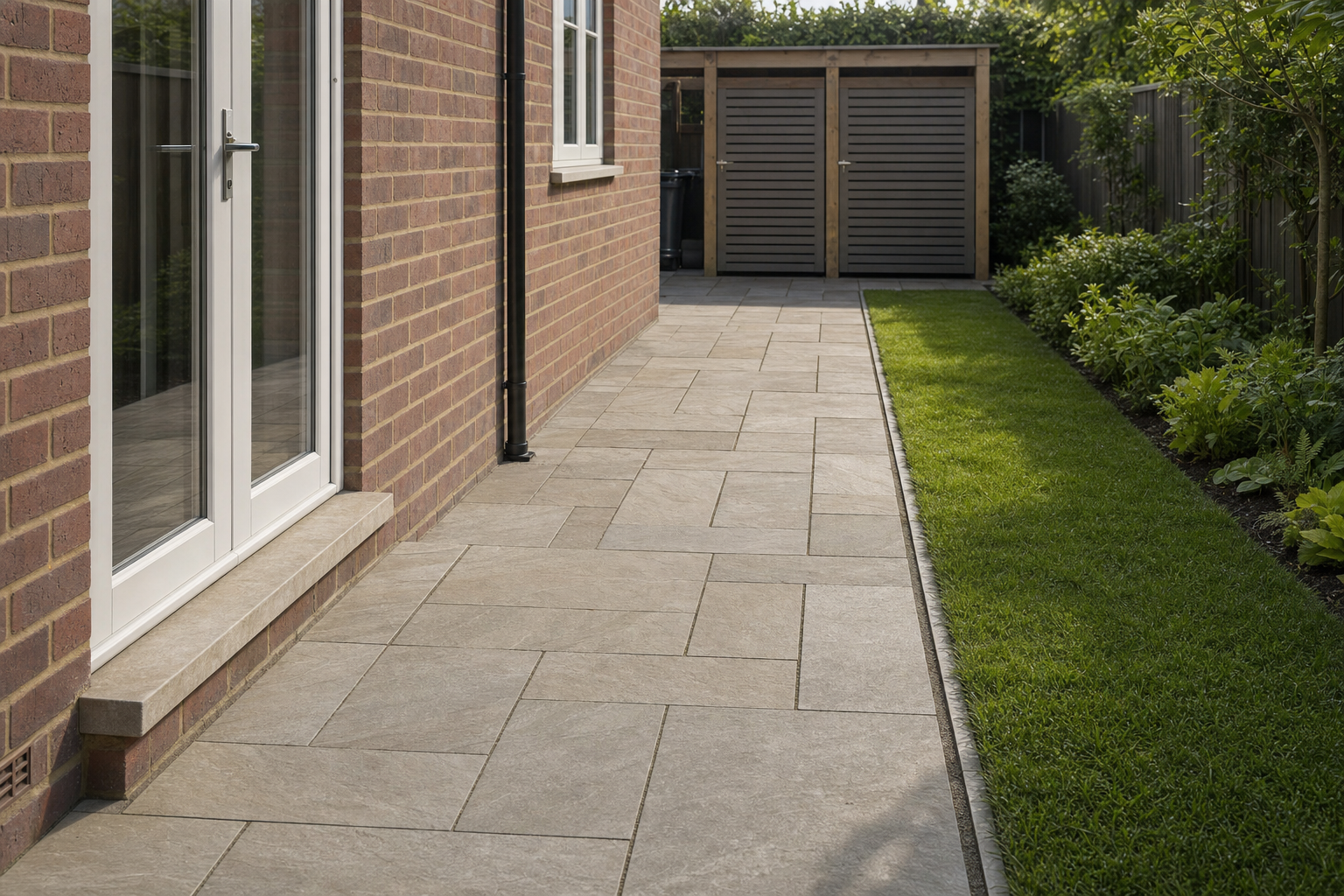
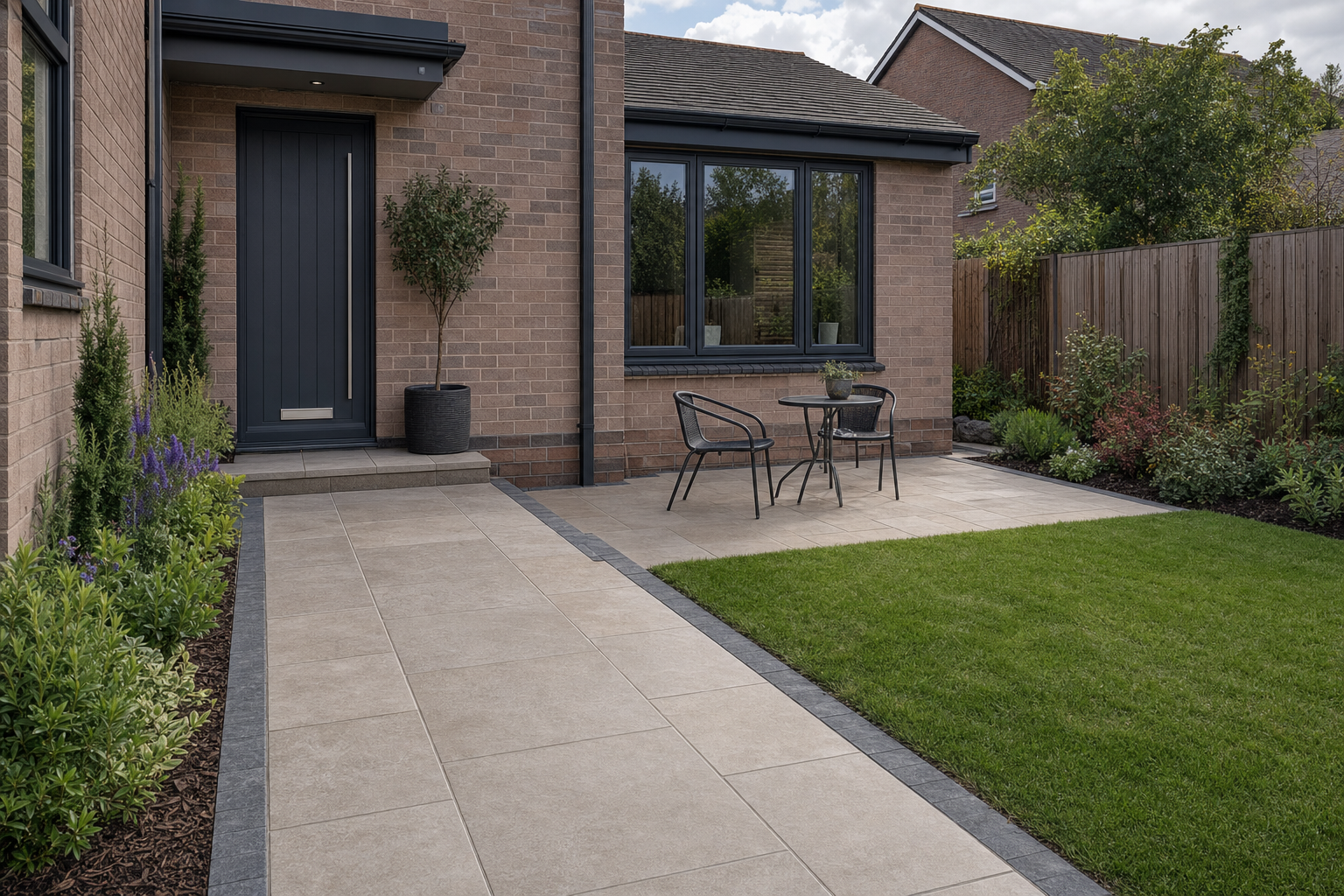
Quality groundwork is the key to long-lasting paving
The neat look people notice at the end comes from careful work at the start. We prepare the ground properly, set levels and falls, form stable edges and cut around boundaries and service points so the paving sits cleanly in place. Intended use affects slab thickness, laying method and joint detail, which is why one approach does not suit every path or hard landscaped area. Once laid, initial care is simple, but a sound base and even bedding are what give the paving its staying power.
Frequently asked questions
Does every paved area need the same base and slab type?
No. A quiet garden path, a main entrance and a seating area can all place different demands on the paving. That affects slab thickness, the base below and how the joints are finished. We assess the purpose of the area first so the build suits the use rather than treating every paved space the same.
Can paving be fitted around awkward boundaries and services?
Yes, provided the setting out is handled properly. External paving often has to work around walls, drains, covers, gates and corners that are not perfectly square. Careful measuring and cutting are part of the job, because that is what helps the area look planned instead of patched into the space.
What helps paving stay level over time?
Good groundwork, correct bedding and stable edge support all matter. If the ground is not prepared well or the falls are guessed at, the problems usually appear later as movement, rocking slabs or low spots. Taking time on levels and support at the start gives the paving a much better chance of lasting well.